By Marcus Reid · Updated June 18, 2026 · Research-based, safety-first guide · Price tiers, not fixed dollars.
Graco Simple Sway Baby Swing
So, are baby swings bad for development? Here is the honest answer up front: a baby swing is not bad for your baby when you use it the right way and for short stretches. The worry…
🛡️ Why you can trust Baby Swing Club
- Short stretches of swing time are fine, but too many hours in any seat or container can delay rolling, crawling, and core strength.
- The real risk is not slow development — it is unsafe sleep, since a baby who dozes off in a reclined swing can slump forward and struggle to breathe.
- Move a sleepy baby to a flat, firm crib, always buckle the harness while swinging, and respect the swing’s weight and age limit.
✓ Pros
- Power — AC adapter or batteries
- Motion — Side-to-side sway, 6 speeds
- Sound — 15 songs/sounds + vibration
- Footprint — Slim full-size frame
So, are baby swings bad for development? Here is the honest answer up front: a baby swing is not bad for your baby when you use it the right way and for short stretches. The worry comes from overuse, not the swing itself. A swing that gives you ten minutes to eat lunch is a helper. A swing that holds your baby for hours every day is where problems can start. That is the line we will walk through together.
Parents ask this question a lot in 2026, and for good reason. You have probably seen scary headlines about “container baby syndrome,” flat head, hip problems, and delayed crawling. Some of that is real, and some of it is blown way out of proportion. As a reviewer who has researched dozens of these seats, I want to cut through the noise and give you plain, calm facts you can actually use.
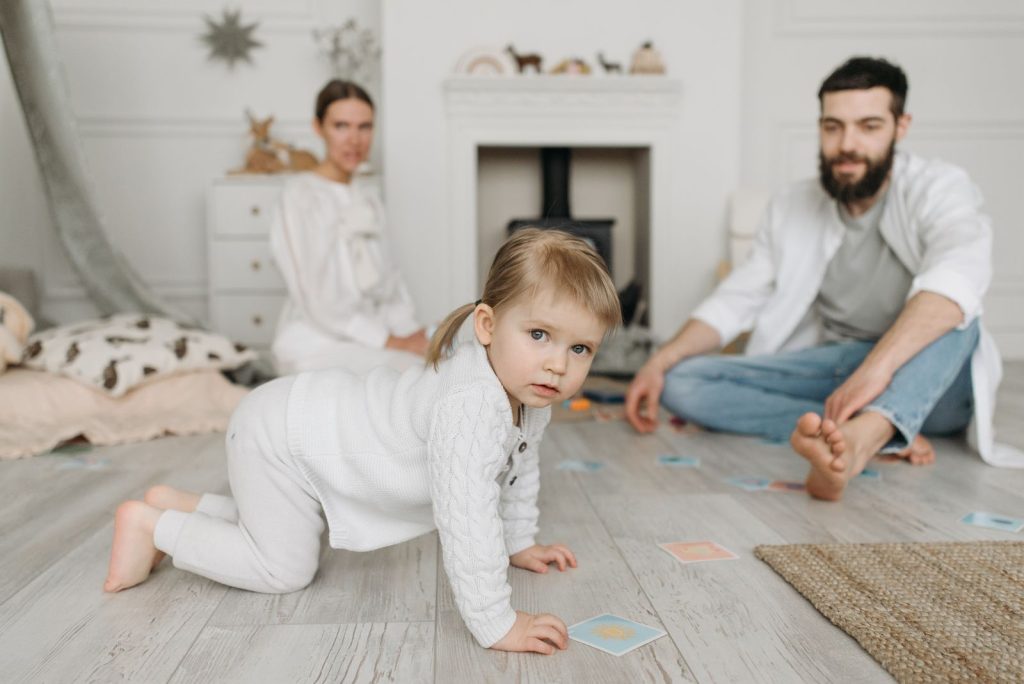
Here is the short version. Babies grow strong by moving freely. They build neck, back, and core muscles during tummy time and floor play. A swing holds them still and supported, which is restful but not active. A little rest is fine. Too much still time, day after day, can slow some skills and shape a soft newborn skull. The fix is simple: cap the time, watch the clock, and give your baby lots of floor time too.
In this guide we will cover the science in simple words, the real risks (and the ones that are overhyped), safe daily limits, the warning signs to watch for, and a clear do-and-don’t list. I will also point you to deeper guides like our swing time limits and swing alternatives articles. Let us get into it.
On this page
- The short answer: are swings bad for babies?
- Why parents ask this in 2026
- How baby development actually works
- Container baby syndrome, explained simply
- Hips, spine, and flat head: real or hype?
- Safe daily limits and how to use a swing well
- Common mistakes (and easy fixes)
- Pro tips for everyday use
- Real-life scenarios
- FAQs
- Key takeaways and checklist
The short answer: are baby swings bad for development?
No. A baby swing is not bad for your baby’s development when you use it in short bursts and pair it with plenty of free floor time. The swing is a tool, like a stroller or a high chair. Used well, it soothes your baby and buys you a few free hands. Used too much, it can crowd out the active play that builds strong muscles and motor skills.
Why does this matter so much? Because babies learn to move by moving. When a baby is held still in a padded seat, they cannot push up, roll, reach, or wiggle. Those tiny struggles are how they build neck control, core strength, and the coordination they will need to sit and crawl. A swing pauses that work. A short pause is fine. A long one, repeated every day, is the part that can hold a baby back.
How does this play out in real life? Say you are making dinner one-handed while your newborn fusses. Ten minutes in the swing while you finish cooking is a totally normal, healthy use. But leaving the same baby in the swing from after dinner until bedtime, night after night, is the pattern that worries pediatricians. The swing did not change. The amount of time did.
So the real question is not “swing or no swing.” It is “how much, and what else is my baby doing during the day?” If your baby gets daily tummy time, floor play, and lots of held cuddles, a swing fits in just fine. If the swing is where your baby spends most of their waking hours, it is time to rebalance. We cover the exact time caps in our how long can a baby be in a swing guide.
A baby swing is not the villain. The clock is. Short sessions help; all-day sessions are the problem.
- Never for sleep. Per AAP guidance, swings and inclined seats are not safe-sleep surfaces. If your baby dozes off, move them to a firm, flat crib or bassinet on their back.
- Always buckle the harness and never leave a baby unattended.
- Recline newborns in the most-reclined position until they have solid head control.
- Respect the weight limit and stop use once your baby can sit up unassisted. Buy only gear that meets ASTM/CPSC standards — see our safety standards guide.
Why parents ask this in 2026
This question is louder than ever, and there are a few reasons why. First, social media is full of strong opinions. One video says swings ruin development; the next says they are perfectly fine. When you are running on three hours of sleep, that back-and-forth is exhausting and scary. You just want a straight answer.
Second, baby gear has gotten more powerful. Modern swings rock, glide, bounce, play white noise, and connect to apps. Because they soothe so well, it is easy to lean on them more than parents did years ago. The better the tool works, the easier it is to overuse. That is a real shift worth naming.
Third, the term “container baby syndrome” has spread widely among parents and therapists. It is not a formal medical diagnosis, but it describes a real pattern: babies who spend too much time in “containers” (swings, bouncers, car seats, carriers used as seats) can show delays in head shape, neck strength, and motor skills. Hearing that term for the first time can be unsettling, especially if your baby loves the swing.
Why does all of this matter for you? Because the answer is not about fear. It is about balance and a few simple habits. When you understand how development works and where the real risks are, the worry shrinks and you can make calm choices. A weekend at grandma’s house with extra swing time is not going to harm anyone. A daily all-day habit is the thing to watch.
For a wider view of how swings fit into safe baby gear use, our mistakes to avoid guide pairs nicely with this article.
How baby development actually works
To know why too much swing time can matter, it helps to know how babies build skills. In the first year, babies grow from the head down and the center out. They learn head control first, then rolling, then sitting, then crawling, then pulling up. Each step builds on the one before it. None of it happens by sitting still.
Here is the key idea in plain words: muscles grow by working against gravity. When your baby lies on the floor and lifts their head during tummy time, the neck and upper back get stronger. When they reach for a toy, the core and shoulders fire up. When they kick and squirm, the hips and legs build power. A swing supports the body and removes most of that work. The baby relaxes, which feels nice, but the muscles take the session off.
Why does this matter? Because the brain learns through this movement too. Every wiggle sends signals that wire the brain for balance and coordination. Free floor play is not just exercise; it is brain food. That is why pediatric therapists push tummy time so hard. It is the single best counterweight to time spent in any seat.
How does this look at home? A simple daily rhythm works well: short swing or seat time to soothe, then floor time to move, then held time to bond. For example, after a 2 a.m. battery swap when the swing finally settles your baby, you might use it for a short stretch, then lay them flat to sleep, and do floor play after the morning feed. The swing earns its place by buying calm, not by replacing movement.
If your baby is brand new, our newborn swing safety guide explains how to recline and support those early weeks.
Container baby syndrome, explained simply
“Container baby syndrome” is a casual term, not an official diagnosis. It describes what can happen when a baby spends too many hours in baby gear that holds them in one position. The “containers” include swings, bouncers, rockers, car seats used outside the car, and carriers used as seats. The concern is the total time across all of them, not any single product.
Why does it happen? Because a baby in a container is not moving freely. Over many hours, day after day, that can lead to a few things: a flatter spot on the back of the head, tighter neck muscles that favor one side, weaker core and neck strength, and sometimes slower rolling, sitting, or crawling. The good news is that these issues are usually preventable and, when caught early, very fixable.
How do you keep it from happening? You spread your baby’s day across different positions. Floor time on the back, tummy time on the belly, upright time in your arms, and only short stretches in any seat. Variety is the whole secret. A baby who changes positions often almost never runs into container problems.
A real-life trap looks like this: a swing in the living room, a bouncer in the kitchen, and a car seat that comes inside after errands. None of them is used for long on its own, but added together your baby could be propped up for most of the day. That is the pattern to watch. Counting the total time across every seat is more useful than worrying about the swing alone.
For other low-container options, see our swing alternatives guide, which covers floor mats, baby-wearing, and more.
Hips, spine, and flat head: real or hype?
Let us sort the real concerns from the scary myths, one body part at a time. This is where a lot of fear comes from, so plain facts help.
Flat head (positional plagiocephaly)
This one is real, but very preventable. A newborn skull is soft. Lying or leaning on the same spot for many hours can flatten that area. A swing, where the head rests back in one position, can add to it if used for long stretches. The fix is easy: limit time in the swing, do daily tummy time, and switch which way your baby faces. Most mild flat spots round out as the baby grows and moves more. Our flat head guide goes deeper.
Hips
For most swings, hips are a low concern. A good swing seat lets the legs fall into a natural, frog-like “M” shape and does not force them straight or squeeze them together. Problems with hips are tied more to tight swaddling of the legs and to carriers that dangle the legs, not to a properly shaped swing seat. If your baby has a known hip condition, ask your pediatrician before any seated gear.
Spine and posture
A newborn spine is curved and still developing. That is why deep recline matters early on. A flat-backed, upright seat is not ideal for a tiny baby who cannot hold their head up. Used in a reclined position for short periods, a swing supports the spine fine. The trouble would come from long hours slumped in too upright a seat. Keep newborns reclined and keep sessions short, and the spine is not at risk.
Safe daily limits and how to use a swing well
Here is the practical part. There is no single magic number that fits every baby, but pediatric guidance is consistent: keep total seat time low and break it into short sessions. A common, sensible target is no more than about 30 minutes at a time, and ideally under an hour or two total across the whole day for all containers combined. Less is better, especially for newborns.
Why does breaking it up help? Because short, spaced sessions give the muscles and skull regular breaks to recover and reshape. A baby who swings for 20 minutes, plays on the floor, then naps flat is in a healthy rhythm. A baby who swings for three hours straight is not. Same product, very different result.
How to use a swing well, step by step:
- Set the recline first. For newborns, use the most-reclined position so the head and spine are supported.
- Buckle the harness every time, even for a quick session. A snug harness is non-negotiable.
- Start the lowest motion and sound that soothes. You do not need the fastest setting; gentle usually works.
- Set a timer for about 20–30 minutes. When it goes off, take your baby out.
- Move to floor or tummy time after the swing to balance the still time with active time.
- If your baby falls asleep, move them to a firm, flat crib or bassinet on their back right away.
- Watch the weight limit and stop using the swing once your baby can sit up on their own.
To see how the times stack up, here is a simple comparison of healthy versus risky daily patterns.
Times are general guidance, not a medical rule. Always follow your pediatrician and the product manual.
Common mistakes (and easy fixes)
Most development worries trace back to a handful of habits, not the swing itself. The good news is that each one has a simple fix. Here are the ones I see most often.
Here is how one fix plays out. A parent in a small apartment kept the swing running through every fussy spell, and tummy time slipped off the radar. Once they set a phone timer for 25 minutes and added a floor mat right next to the swing, balance came back fast. The swing stayed; the habit changed. That is almost always the answer. For more on this, see our baby swing mistakes guide.
Pro tips for everyday use
After researching dozens of swings, a few habits separate parents who never worry about development from those who do. None of them are complicated.
- Use the swing as a transition, not a destination. It is great for calming a meltdown so you can then move to feeding, floor play, or sleep — not a place to park your baby for the afternoon.
- Treat tummy time as the main event. The swing supports your day; the floor builds your baby. Flip your mindset and the balance fixes itself.
- Pick gentle settings. The slowest motion that soothes is plenty. Save the higher settings for the rare rough moments.
- Rotate positions on purpose. Back, belly, upright in arms, and a short swing — cycling through these all day prevents flat spots and tight necks.
- Match the swing to your baby’s stage. A reclined, gentle swing suits newborns; check our motion types guide to choose.
Real-life scenarios
Here is how this looks in everyday situations, so you can see where a swing helps and where to draw the line.
Making dinner one-handed
Your baby fusses every evening right at dinner prep. A short swing session — maybe 20 minutes on a gentle setting — lets you cook safely with both hands. This is a textbook good use. When you sit down to eat, take the baby out and hold or floor-play with them. The swing covered the rough patch; it did not run the whole evening.
A weekend at grandma’s house
At grandma’s, the routine slips and the swing gets used more than usual for a couple of days. That is fine. A short stretch of extra swing time on a busy weekend will not harm development. Just get back to your normal floor-time rhythm at home. Development is about the pattern over weeks, not one weekend.
A light-sleeping baby at 2 a.m.
Your baby finally calms in the swing after a 2 a.m. battery swap, and you are tempted to leave them there to sleep. Do not. The moment they drift off, move them to the crib, flat and on the back. The swing can soothe them to drowsy, but the crib is where sleep belongs. This single habit removes the biggest swing risk there is.
The small-apartment all-day swing
In a tight space, the swing can quietly become the default spot all day. This is the pattern to break. Put a floor mat down within arm’s reach and rotate your baby between the swing, the floor, and your arms. Same small space, much healthier mix. Our alternatives guide has more low-space ideas.
FAQs: baby swings and development
Do baby swings delay crawling or walking?
Not by themselves. Short, occasional swing use does not delay crawling or walking. What can slow those skills is spending most of the day in seats instead of on the floor, where babies build the strength to move. Keep swing sessions short and give plenty of floor time, and motor milestones usually arrive right on schedule.
How long can my baby safely stay in a swing?
A good rule is no more than about 30 minutes at a time, and ideally under an hour or two total per day across all seats combined. Less is better for newborns. Always break it up with floor time, and never use the swing for sleep. See our time limits guide for details.
Can a baby swing cause a flat head?
It can contribute if your baby rests in the same head position for many hours a day. The fix is simple: limit swing time, do daily tummy time, and switch which way your baby faces. Mild flat spots usually round out as your baby grows and moves more. Our flat head guide covers prevention.
Is it bad if my baby loves the swing?
Not at all. Lots of babies love the gentle motion and sound, especially fussy or colicky ones. Enjoying the swing is fine. The only thing to manage is the total time. Let your baby enjoy short sessions, then move on to floor play and cuddles so the day stays balanced.
Are swings worse than bouncers or rockers?
They are all “containers,” so the same time rules apply to each. None is clearly worse for development when used briefly. What matters is the total time across all of them combined. A swing here and a bouncer there can add up quickly, so count it all together rather than comparing one to another.
What are the warning signs I should watch for?
Watch for a flattening spot on the head, a strong preference to turn the head one way, stiffness when you move the neck, or missed milestones like not lifting the head during tummy time by a few months. If you notice any of these, cut back container time, boost floor time, and talk to your pediatrician. Most issues respond quickly when caught early.
Should I just skip the swing entirely?
You do not have to. A swing is a genuinely helpful tool for tired parents, and used well it does no harm. If you would rather go without, our alternatives guide covers floor mats, baby-wearing, and other options. Either path can support healthy development — it is about how you use the day, not the gear.
Key takeaways and checklist
If you only remember a few things from this guide, make it these. They cover the real risks and the simple habits that keep development on track.
- Swings are not bad for development when used in short bursts and balanced with floor time.
- The clock is the risk, not the product. Cap sessions at about 20–30 minutes.
- Tummy time is the counterweight. Several short sessions a day keep muscles strong.
- Count all containers together — swing, bouncer, and car seat time add up.
- Never use the swing for sleep. Move a sleeping baby to a flat crib, on the back.
- Switch head positions to prevent flat spots, and recline newborns fully.
- Watch the weight limit and stop once your baby can sit up unassisted.
- When in doubt, ask your pediatrician — especially about head shape or missed milestones.
Ready to put it into practice? If you are still choosing a seat, our best baby swings roundup and best swings for newborns guide can help you pick a safe, reclined model. To build a swing-free wind-down, see getting baby to sleep without the swing. And to know exactly when to retire the swing, check the weight and age limits guide.
Bottom line: a baby swing is a helper, not a hazard, as long as the clock and floor time stay in balance. Use it with care, keep your baby moving, and you can relax about development.
The bottom line
After weighing its specifications, safety guidance and owner feedback, the Graco Simple Sway Baby Swing earns its spot among our top recommendations. Check the latest price and availability below.