By Marcus Reid · Updated June 19, 2026 · Research-based, safety-first guide · Price tiers, not fixed dollars.
🛡 Why you can trust Baby Swing Club
- Most babies outgrow the swing between 6 and 9 months — once they hit the weight limit or can sit up or push up on hands and knees, it is time to stop.
- Transition gradually: shorten swing time, lower the speed, and pair the swing with other soothing so your baby learns to calm without it.
- Never let your baby sleep in the swing during the transition — move them to a firm, flat crib every time.
On this page
When should you transition out of the swing?
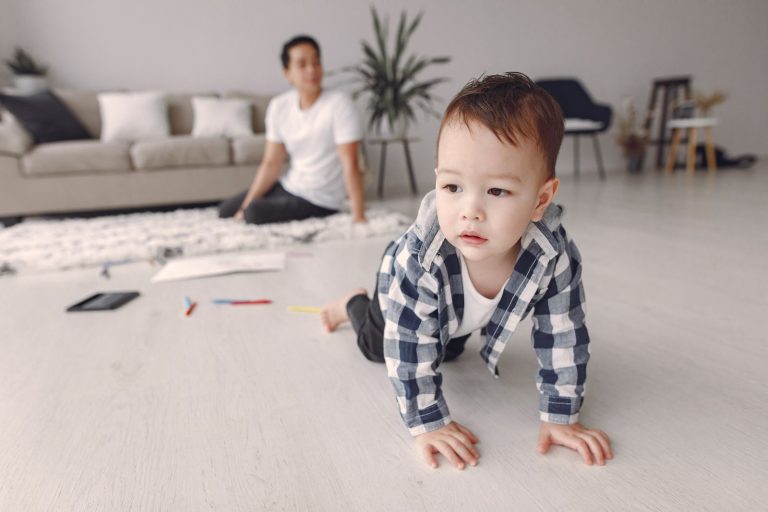
There are two reasons to move your baby on from the swing, and the first is non-negotiable. The moment your baby reaches the swing’s weight limit, or can sit up unassisted or push up on their hands and knees, the swing is no longer safe — stop using it that day, no matter how much your baby loves it. For most babies that lands somewhere between 6 and 9 months.
The second reason is gentler: your baby has started to rely on the swing to calm down or drift off, and you want to help them learn to settle other ways. That kind of transition you can do on your own timeline, slowly and calmly.
Why transitioning matters
Two things make the transition worth doing well. Safety comes first: an older, stronger baby can tip or climb out of a swing, which is exactly why the limits exist. Beyond that, learning to self-soothe is a normal, healthy milestone, and a baby who only calms in motion can have a harder time settling in a crib or car seat.
None of this means the swing was a mistake — it is a wonderful tool for the newborn months. It just has a natural end, and a smooth exit makes the next stage easier for everyone.
How to transition out of the swing, step by step
Go gradually. Sudden cold-turkey changes are hard on babies and parents alike. This five-step plan spreads the change over a week or two:
- Shorten the sessions. Trim a few minutes off each swing session so your baby gets used to shorter stretches.
- Lower the speed. Step the motion down a level every couple of days so the swing does less of the work.
- Add a new soothing routine. Pair the swing with rocking, a song, or a slow walk, so your baby links calm with something other than the seat.
- Move soothing off the swing. Start calming your baby in your arms or a still seat first, using the swing only if you truly need it.
- Phase it out. Keep the swing for the occasional rough moment, then store it once your baby settles without it.
Making the change without tears
Timing is everything. Start the transition when life is calm — not during teething, a growth spurt, travel, or a cold. A well-rested, well-fed baby handles change far better than an overtired one.
Expect a few fussy days; that is normal, not a sign you are doing it wrong. Stay consistent, offer plenty of cuddles, and lean on your other soothing tools. Within a week or two, most babies barely notice the swing is gone.
What to use instead
As the swing winds down, your baby is ready for more engaging, stationary play. Good next steps include:
⚠️ Baby gear safety essentials
- A baby swing is never safe for sleep — move a sleeping baby to a firm, flat crib or bassinet on their back (AAP guidance).
- Always buckle the harness, keep the swing on the floor, and never leave your baby unattended.
- Stop using the swing once your baby hits the weight limit or can sit up / push up on hands and knees, whichever comes first.
Our editor’s choice on Amazon
Graco Simple Sway Baby Swing
Our overall Editor’s Choice baby swing
- Gentle side-to-side sway, 6 speeds
- Plug-in or battery power
- 15 songs and sounds plus vibration
- Wide 5.5–30 lb range, 5-point harness
The bottom line
Moving on from the swing is a normal milestone, not a battle. Watch for the safety limits first — weight, sitting up, or pushing onto hands and knees — then wean gradually by shortening sessions, lowering the speed, and replacing the motion with connection. Start when life is calm, expect a few fussy days, and within a week or two most babies settle happily without it.
Quick checklist
- Stop at the weight limit or once baby sits up / pushes up
- Shorten sessions and lower the speed gradually
- Replace motion with rocking, babywearing, or play
- Never use the swing for sleep during the transition
Frequently asked questions
When should I stop using a baby swing?
Stop the moment your baby reaches the swing’s weight limit or can sit up unassisted or push up on hands and knees, whichever comes first — usually between 6 and 9 months. After that, the swing is no longer safe regardless of how much your baby likes it.
How do I get my baby to stop relying on the swing?
Go gradually: shorten each session, lower the speed over several days, and pair the swing with other soothing like rocking or a song. Then start calming your baby off the swing first, and keep it only for rare rough moments before storing it.
My baby only calms in the swing — is that a problem?
It is very common and not a problem in the newborn months. It becomes worth addressing as your baby grows, so they can learn to settle in a crib or car seat too. A gradual transition with lots of cuddles usually does the trick.
Can I let my baby sleep in the swing while transitioning?
No. A swing is never a safe sleep surface, during a transition or any other time. Every nap and night-time sleep should happen in a firm, flat crib or bassinet, with your baby on their back.
How long does it take to transition out of the swing?
For most babies, a week or two of gradual change is enough. Start when life is calm — not during teething, travel, or illness — and expect a few fussy days, which are normal.